
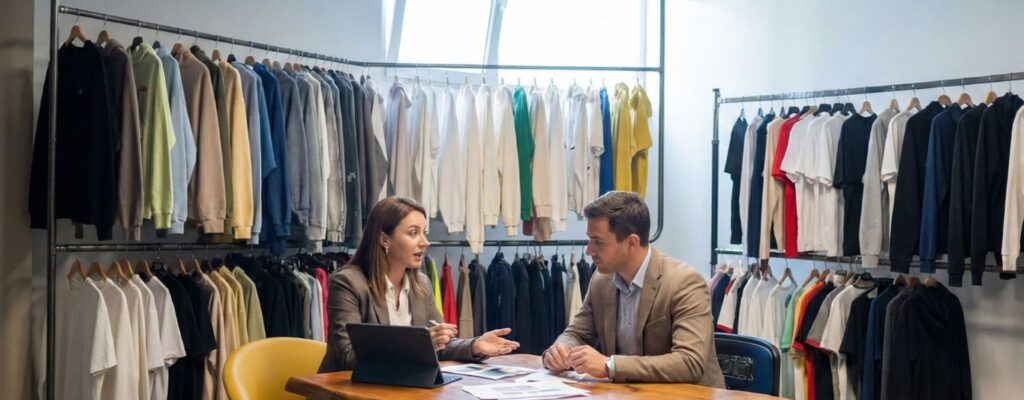
Streetwear Apparel for Startups · Istanbul
A practical guide for founders launching a streetwear label in Germany, the UK, the Netherlands, France, Scandinavia and across Europe: which type of apparel manufacturer fits a startup, how low MOQs really work, where the budget goes and how to get from first idea to first drop without expensive mistakes. Written by the FK Textile production team in Istanbul. Updated October 2026.
Most streetwear brands start the same way: a strong idea, a small community, a limited budget and no experience with factories. The problem is that most clothing manufacturers are built for brands that already exist. They expect finished tech packs, large quantities and buyers who know the vocabulary.
Streetwear apparel for startups needs a different approach: smaller quantities, more guidance during development and a production setup that can grow with the brand. This guide explains how to find the right apparel manufacturer for your startup, what to prepare and what to avoid before you pay for your first bulk order.
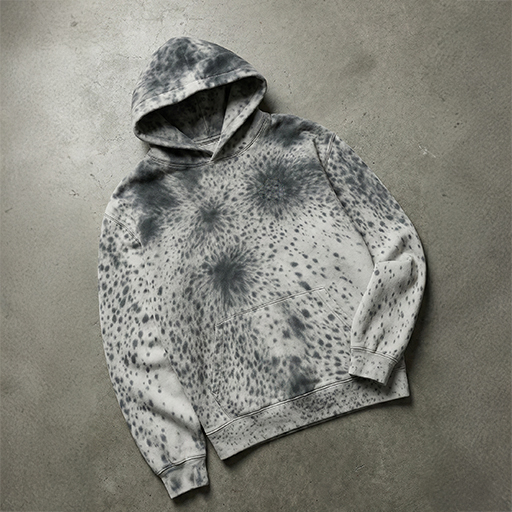
Quick Answer: What Do Startups Need From an Apparel Manufacturer?
Why Startups Need a Different Kind of Manufacturer
An established brand sends a complete tech pack, approves a sample in one round and orders thousands of pieces. A startup usually has mood boards, a reference garment and a target retail price. Neither situation is wrong, but they need different partners.
For a new streetwear label, the right manufacturer should offer:
- Low MOQ: quantities that match a first drop, not a wholesale programme.
- Development support: help translating references and feedback into measurements, fabrics and construction details.
- Full-package production: fabric sourcing, cutting, sewing, printing, embroidery, labels and packing coordinated in one place.
- Clear communication: honest feedback on what is realistic for your budget and timeline.
- Repeatability: documented specifications so a sold-out style can be reproduced consistently.
Types of Apparel Manufacturers for Startups
“Clothing manufacturer” can mean very different business models. Choosing the wrong one is one of the most common early mistakes.
Match the model to your stage, not your ambition
If you are still testing whether people buy your designs, start with blanks or private label. Once you know your audience and best-selling silhouettes, move your hero products to a fully developed cut & sew programme. Many successful labels run both: developed hero pieces plus printed basics.
What Should a Streetwear Startup Produce First?
A first collection does not need ten styles. A focused range is easier to develop, cheaper to sample and clearer for customers. A proven starting point for streetwear is a three-piece core:
- A hero hoodie: usually heavyweight fleece or loopback, the product customers remember.
- A matching jogger: same fabric and colourway, which creates a set and increases order value.
- A heavyweight tee: a lower price point that carries the graphics and helps new customers try the brand.
Launch in one or two colours, test demand and restock what sells. If you want to understand fabric weights before choosing, read our guide to heavyweight streetwear production.
How Low MOQ Really Works
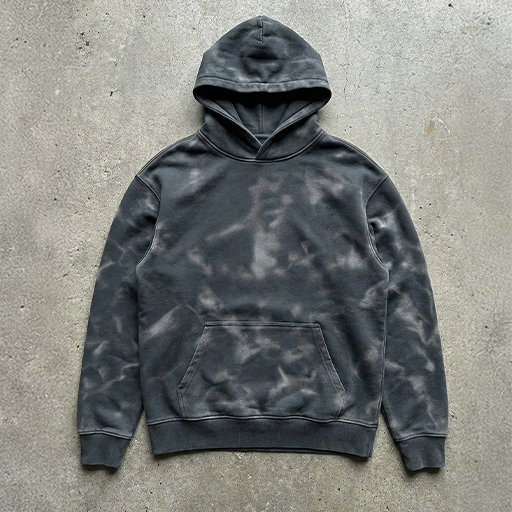
MOQ (minimum order quantity) is usually counted per style and per colour, not per order. At FK Textile, startup programmes typically begin at around 50–100 pieces per style and colour, depending on fabric availability and specification. Custom-dyed colours or specially developed fabrics can require higher quantities.
Within that quantity, you split the sizes. A typical streetwear size curve for 100 pieces might look like 10 XS/S, 25 M, 30 L, 25 XL and 10 XXL, adjusted to your audience and your oversized fit. Ask your manufacturer whether the MOQ applies per size, per colour or per style before comparing quotes.
Use stock fabric colours for your first drop
Fabrics available in standard colours are the easiest way to keep MOQs low. Save custom Pantone colours and special washes for the second or third drop, when you know which products sell.
Where the Startup Budget Goes
The unit price is only one part of launching a collection. Plan your budget around all of these:
When comparing manufacturers, make sure every quote covers the same fabric weight, composition, artwork, branding and packing. A cheaper offer is often a different product.
From Idea to First Drop: The Startup Production Timeline
Realistically, plan around two to three months from brief to delivery for a first collection, longer if you need several sample rounds or custom fabrics. Start from your launch date and work backwards.
New to tech packs? Our tech pack resources explain what a factory needs before sampling.
Common Mistakes Streetwear Startups Make
- Launching too many styles: ten products at minimum quantity tie up more cash than three strong ones.
- Choosing on unit price alone: the cheapest quote rarely includes the same fabric, finishing and checks.
- Skipping the wash test: oversized fits that shrink after the first wash cause returns and bad reviews.
- Approving samples on the wrong fabric: a print or fit approved on a substitute fabric can change in bulk.
- Vague feedback: “make it boxier” is hard to execute; “body width plus 3 cm” is not.
- No reorder plan: if fabric, colours and measurements aren’t documented, a sold-out style can’t be reproduced consistently.
Questions to Ask an Apparel Manufacturer Before You Commit
- Is your MOQ per style, per colour or per size?
- Do you make the sample on the actual production fabric?
- Can you help create or complete my tech pack?
- Which processes are done in-house and which are outsourced?
- How do you control shrinkage and measurements in bulk?
- What is included in the price: labels, trims, packing, quality checks?
- How long does a reorder take once the style is approved?
Why European Startups Produce Streetwear in Turkey
Turkey combines a deep knitting, fleece and dyeing supply base with experience in premium streetwear details such as heavyweight fabrics, garment dye, puff print and embroidery. For startups in Europe, the location is the main advantage: road freight from Istanbul reaches many European markets within days, which makes small, frequent restocks realistic instead of one large seasonal order.
That matters for a new brand. Instead of guessing a whole season’s demand in advance, you can launch small, watch real sales data and reorder winning styles. For a broader overview, read our Streetwear Production Company Guide.
How FK Textile Works With Streetwear Startups
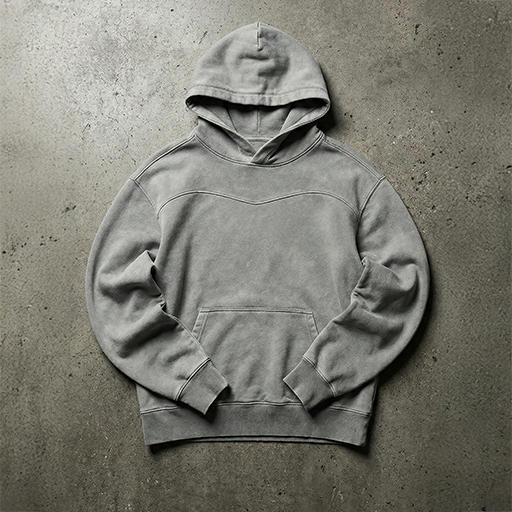
We work with first-time founders as well as growing labels. You don’t need a finished tech pack to start: references, a sketch or an existing garment you like is enough for a first conversation. We review your idea, suggest fabrics and constructions that fit your price point, and develop samples you can wear, wash and measure before committing to bulk.
If you only need printable basics for a first merch test, our POD Manufacturing & Blank Supply and Essential & Core Apparel programmes are a faster route. When you’re ready for your own fit and fabric, the same documented specifications let you scale without changing supplier.
Frequently Asked Questions
What is a good apparel manufacturer for a startup?
A good apparel manufacturer for startups offers low MOQs, helps with technical development, makes samples on the real production fabric and documents approved specifications so products can be reordered consistently.
How many pieces do I need to order for my first streetwear collection?
At FK Textile, startup programmes usually begin at around 50–100 pieces per style and colour, depending on fabric and specification. Custom colours and specially developed fabrics may require higher quantities.
Do I need a tech pack to start?
No. A tech pack helps, but many startups begin with references, sketches or an existing garment. The manufacturer can help turn these into a technical specification during development.
How long does it take to launch a first streetwear drop?
As a planning guide, sampling takes around two weeks per round and bulk production around five weeks after final approval. Including corrections and freight, most first collections take about two to three months.
Should a startup use blanks or custom-made garments?
Blanks are faster and lower risk for testing designs. Custom-made garments give you your own fit, fabric and branding. Many labels start with blanks or private label and move hero products to full cut & sew once demand is proven.
Which products should a new streetwear brand launch first?
A focused core works best: a hero hoodie, a matching jogger and a heavyweight tee in one or two colours. It keeps development costs manageable and gives customers a clear first impression of the brand.
Can I reorder small quantities after my first drop?
Yes. Once fabric, colours and measurements are approved and documented, best-selling styles can be restocked in small batches, which suits brands that reorder based on live sales.
Ready to Launch Your Streetwear Brand?
Send us your references, sketches or a garment you like. We’ll review fabric, fit, quantities and branding and prepare a realistic sampling plan for your first drop.
Request a Sample & Quote