
Private Label Manufacturing for European Fashion Brands
A practical guide for brands in Germany, the UK, the Netherlands, Poland, Italy and across Europe: how to evaluate fabric, fit, finishing, quality control, MOQ, sampling and repeat production before choosing a private label clothing manufacturer in Turkey. Prepared by the FK Textile production team in Istanbul. Updated September 2026.
Searching for premium quality private label clothing Turkey usually starts with a simple question: Which factory can make our collection? The more important question is: which production system can reproduce the same fabric, fit, colour and finishing when the first 80 pieces become the next 800?
Premium private label manufacturing is not created by adding a woven label to a standard garment. It is created through a chain of controlled decisions: yarn and fabric specification, pattern engineering, shrinkage, stitching, printing or embroidery, garment finishing, measurements, quality checks and final packaging. When those decisions are connected, the customer experiences one coherent brand rather than a collection of unrelated garments.
Quick Answer: What Does Premium Quality Private Label Clothing in Turkey Mean?
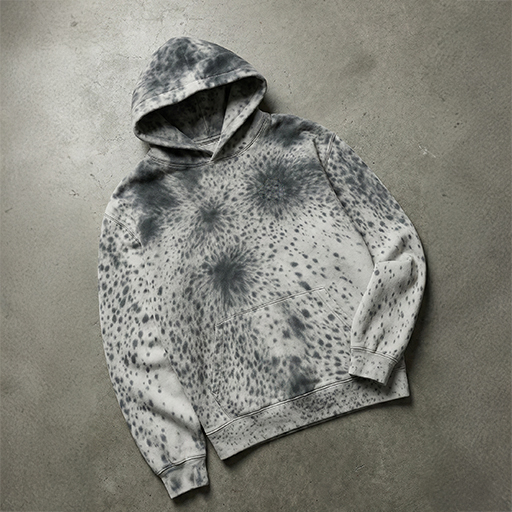
This distinction matters because two hoodies can look almost identical on a screen and feel completely different in the customer’s hands. Fabric density, shrinkage, rib recovery, seam construction, hood shape, print hand-feel and measurement consistency are difficult to judge from a quotation sheet, yet they are exactly what customers notice after wearing the product.
The Pattern Behind Premium Clothing: Five Controls, Not One Expensive Fabric
A useful way to compare manufacturers is to stop asking whether a factory makes “premium clothing” and instead ask how it controls the five variables below. We call this the Five-Control Pattern. It turns a vague word such as “quality” into points your team can actually inspect.
Fabric → Fit → Finish → Consistency → Delivery
A premium collection works only when all five controls support one another. A 450 GSM hoodie with an inaccurate fit is not premium. Beautiful embroidery on unstable fabric is not premium. A perfect sample that cannot be reproduced in bulk is not premium. The commercial value comes from controlling the whole chain.
Private Label vs White Label Clothing: What Is the Difference?
Private label clothing is developed around your specifications. White label usually begins with an existing garment or blank that several businesses can buy and rebrand. Neither model is automatically good or bad; they solve different commercial problems.
If your collection depends on a distinctive silhouette or fabric feel, start with a true private label development process. If your business depends on repeatable blanks for DTG or merchandise, our POD Manufacturing & Blank Supply service is the more relevant route.
What Should a Premium Private Label Tech Pack Specify?
A strong factory relationship starts before sewing. The tech pack converts creative direction into measurable production instructions. Phrases such as “luxury cotton”, “oversized fit” or “premium finish” are not specifications; different people interpret them differently.
A production-ready tech pack should define:
- Garment measurements: chest, body length, shoulder, sleeve, hem, rise and inseam where relevant.
- Fabric: composition, target GSM, knit construction, desired surface and stretch characteristics.
- Colour: approved colour reference plus any garment-dye or wash requirement.
- Construction: seam type, rib dimensions, pocket construction, hood construction and reinforcement.
- Artwork: exact position, dimensions, colour references and print or embroidery method.
- Branding: neck label, care label, size label, hang tag, packaging and barcode requirements.
- Measurement tolerances: acceptable production variance rather than an unrealistic expectation of zero variance.
Brands without complete technical files can begin with references, sketches or an existing sample and develop the specification before sampling. Our tech pack resources explain the information a clothing manufacturer needs before a reliable quotation or prototype can be produced.
Which Fabrics and GSM Create a Premium Product?
GSM is important, but higher GSM does not automatically mean higher quality. A good fabric combines the correct weight with yarn quality, knitting density, recovery, shrinkage control and the hand-feel required by the product. The right specification depends on the silhouette and customer, not on chasing the largest number.
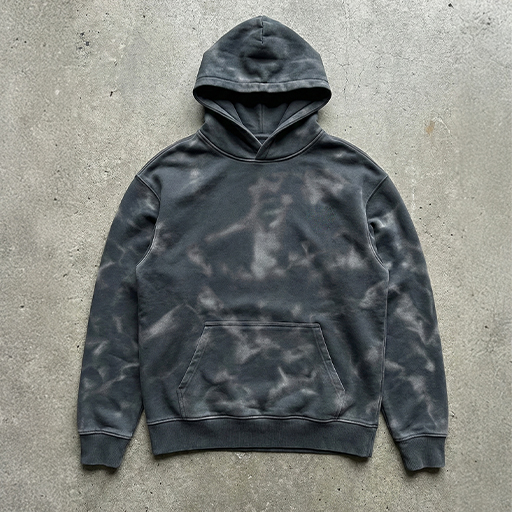
For brands positioned around streetwear and heavyweight garments, see our streetwear production company guide for a deeper explanation of heavyweight jersey, fleece, oversized blocks, printing and drop-based production.
Why Fit Consistency Matters More Than the First Perfect Sample
One good sample proves that a garment can be made correctly. It does not yet prove that it can be repeated. For a growing label, repeatability is where manufacturing quality becomes commercial quality.
Consider a customer who buys your medium hoodie in September and orders the same model in another colour in November. They expect both garments to fit like the same product. A difference that appears minor on a factory table can become obvious when worn.
A useful approval pattern
Approve the base size first, confirm wash and shrinkage behaviour, then approve the grading logic across the size range. Record the approved measurements and tolerances inside the tech pack. For repeat orders, compare production against that approved standard rather than relying on memory or photographs.
How Are Prints, Embroidery, Labels and Finishing Integrated?
Premium private label clothing is recognised through details long before a customer reads the fibre composition. Print quality, embroidery density, neck labels, hang tags, rib recovery, drawcords, zips and packaging all contribute to the perceived value of the final product.
Depending on the collection, FK Textile production can include screen printing, puff and high-density effects, DTG, embroidery, garment dye, enzyme and acid wash effects, custom woven labels, printed labels, hang tags, branded drawcords, hardware and customised packaging.
The important manufacturing principle is to approve these elements on the actual production fabric. A print that works perfectly on a light jersey can react differently on dense fleece. Embroidery can also influence drape or create puckering if thread density, backing and fabric structure are not considered together.
What MOQ Makes Sense for a Premium Private Label Brand?
Lower initial quantities can reduce inventory risk, but spreading custom fabric, dyeing, labels and development costs across very few garments can increase the unit cost. The right approach is therefore not simply “make the smallest order possible”; it is to design a first run that produces useful sales data without consuming the entire collection budget.
Test → Learn → Restock
A practical emerging-brand model is to test controlled quantities, identify the winning colours and sizes, then place the larger repeat order around proven demand. This protects working capital while allowing the brand to learn from real customers rather than forecasts alone.
How Does Private Label Clothing Production in Istanbul Work?
1. Product brief and feasibility
The process starts with your product category, references, target market, estimated quantities, desired fabric, target price level and branding requirements. At this stage, unrealistic combinations should be identified early—for example, an extremely low quantity combined with a completely custom fabric and multiple special trims.
2. Technical development
Measurements, construction, fabric, artwork and trims are translated into a clear production specification. This is where most preventable bulk problems should be solved.
3. Sampling
A physical sample lets the brand evaluate fit, fabric, stitching and branding in the real world. Sampling typically takes around two weeks depending on complexity and material availability. Brands should wear, measure and wash-test samples rather than approving them only from photographs.
4. Sample correction and approval
Comments are converted into measurable revisions. If a sleeve must be shorter, specify how many centimetres. If the body needs more volume, update the relevant measurements. Clear corrections create a reliable production reference.
5. Bulk production
After the approved sample and production details are confirmed, bulk production generally requires around five weeks depending on order size, materials, finishing and factory planning.
6. Quality control and packing
Garments are checked against approved measurements, construction and branding requirements before final folding, size identification, packaging and dispatch.
7. Logistics
Istanbul’s proximity to Europe supports road freight for many programmes, while air freight can be used when launch dates or urgent replenishment justify the additional cost.
How Should You Compare Private Label Clothing Quotes?
A low unit price is meaningless if two quotations include different things. Before comparing manufacturers, convert every quotation into the same scope.
When every supplier quotes against the same specification, the cheapest option may still win. But at least you are comparing manufacturing rather than comparing missing line items.
Why Do European Brands Manufacture Private Label Clothing in Turkey?
Turkey occupies a useful position between local European sourcing and long-distance Asian production. Istanbul combines a mature textile supply base with geographical proximity to European markets, which can be particularly relevant to brands that depend on sampling speed, smaller production runs and faster replenishment.
The decision should match your business model. A company producing very high volumes of simple basics may prioritise a different region than an independent fashion label launching 100-piece colourways and restocking according to live sales data.
What Does “Premium Quality” Mean in Quality Control?
Quality control should be connected to an agreed standard rather than a subjective judgement that a garment “looks good”. For private label apparel, that means checking the measurable details that influence customer experience and repeatability.
- Measurements: finished garments checked against approved dimensions and tolerances.
- Fabric appearance: unwanted shade variation, surface defects or visible contamination.
- Construction: seam quality, skipped stitches, puckering, loose threads and symmetry.
- Artwork: print placement, colour, curing and embroidery appearance.
- Trims: correct labels, zips, drawcords, buttons and hardware.
- Presentation: folding, size identification, labels, hang tags and packaging.
For the brand, one additional check is essential: compare the delivered product with the approved physical sample. The approved sample is not only a development step; it becomes the practical benchmark for bulk.
What About Certified Materials, Traceability and European Requirements?
European buyers increasingly ask manufacturers for more information about fibre composition, chemical safety, material certification and supply-chain traceability. The exact documentation required depends on your market, product, customer and retailer, so brands should define these requirements before material sourcing rather than asking for paperwork after the collection is finished.
FK Textile works with certified material options including organic and recycled choices according to project requirements. If GOTS, OEKO-TEX, recycled-content documentation or another specific standard is essential to your purchasing policy, include it in the initial brief and request the relevant current documentation for the exact material being ordered.
This approach is more reliable than selecting a supplier simply because certification logos appear on a website. For commercial compliance, the certificate or material documentation relevant to your actual production is what matters.
Who Is Premium Private Label Production in Turkey Best For?
Strong fit
Independent fashion labels, streetwear brands, premium essentials businesses, online-first European brands and companies that want proprietary fits, custom fabric specifications, private branding and repeatable small-to-medium production runs.
Potentially not the best fit
Businesses buying purely on the lowest possible unit cost at very large volumes, projects that need only a generic ready-made blank, or brands whose positioning specifically requires production inside an EU member state may find another sourcing model more appropriate.
For repeatable premium basics rather than seasonal fashion pieces, see Essential & Core Apparel. For fully developed collections, the Fashion Brands production route covers development from concept and tech pack through sampling and bulk manufacturing.
10 Questions to Ask a Private Label Clothing Manufacturer in Turkey
- Can you manufacture to our own measurements instead of using only your standard block?
- Can we specify the fabric composition and GSM?
- What is the MOQ per style and per colour?
- Can we approve a physical sample before bulk production?
- How do you document sample corrections before production?
- Which printing, embroidery, dyeing and finishing processes can you provide?
- How are production measurements checked against the approved sample?
- Can you provide custom labels, hang tags, trims and packaging?
- What information can you provide for the materials and certifications requested by our market?
- What is the realistic timeline from confirmed specification to finished goods?
A capable supplier should be comfortable answering technical questions before discussing how quickly you can transfer a deposit. The quality of those early conversations often predicts the quality of the production relationship.
Frequently Asked Questions
What is premium quality private label clothing in Turkey?
It is clothing manufactured to a brand’s own specifications, including fabric, GSM, fit, measurements, colours, prints, embroidery, labels, trims and packaging. The finished garment is produced for and branded exclusively as the customer’s label rather than sold as a generic stock product.
What is the MOQ for private label clothing in Turkey?
MOQ varies according to product, fabric, colour and finishing. FK Textile can support selected low-MOQ programmes from approximately 50–100 pieces per style and colour, while more complex custom fabrics or trims may require different quantities.
How long does private label clothing production take?
A typical planning model is around two weeks for initial sampling and approximately five weeks for bulk production after final approval. Complex materials, multiple sample revisions, special washing or customised trims can extend the schedule.
Can I manufacture my own custom fit instead of using a standard blank?
Yes. True private label development can use your own measurements and proportions. Brands can develop regular, relaxed, oversized, boxy, cropped or other proprietary silhouettes rather than simply relabelling an existing garment.
Can I choose my own GSM and fabric composition?
Yes. Fabric can be developed or selected around the garment requirement, including different cotton compositions, blends and weight ranges. The best GSM should be selected together with the intended fit, season, wash and end use.
Can FK Textile add my labels, prints and packaging?
Yes. Private label programmes can include custom neck and care labels, hang tags, printing, embroidery, drawcords, hardware and packaging so the finished product is prepared around the brand’s identity and fulfilment requirements.
Is Turkey suitable for premium streetwear production?
Turkey is particularly relevant for European streetwear brands requiring heavyweight jersey and fleece, oversized fits, printing, embroidery, garment finishing and relatively short logistics routes. See the Streetwear Production Company Guide for more detail.
How do I start a private label clothing project with FK Textile?
Prepare your reference images, tech pack or existing sample together with estimated quantities, target fabric, colours and required branding. You can then send the project through the FK Textile inquiry form for feasibility, sampling and quotation.
Build a Private Label Product Customers Can Recognise Twice
A premium first sample matters. A premium second order matters more. Develop your fabric, fit, branding and production standard with one Istanbul manufacturing partner, from technical development through finished delivery.
Request a Sample & Quote