
Hoodie Fabric Guide · Istanbul
A practical guide for streetwear brands in Germany, the UK, the Netherlands, France, Scandinavia and across Europe: which fabrics make the best streetwear hoodies, how fleece, French terry and loopback differ, which GSM fits which product and how to control shrinkage and pilling in bulk. Written by the FK Textile production team in Istanbul. Updated November 2026.
A hoodie is often the product that defines a streetwear brand. Customers judge it in seconds: how heavy it feels in the hand, how the hood stands, how soft the inside is and whether it still fits after ten washes. Almost all of that is decided before the first stitch, when you choose the fabric.
Yet many brands choose hoodie fabric by a single number, usually the GSM. Weight matters, but the best fabrics for streetwear hoodies are defined by the combination of knit structure, yarn quality, fibre composition and finishing. This guide explains each of these factors and shows which fabric fits which type of hoodie, so you can brief your manufacturer with confidence.
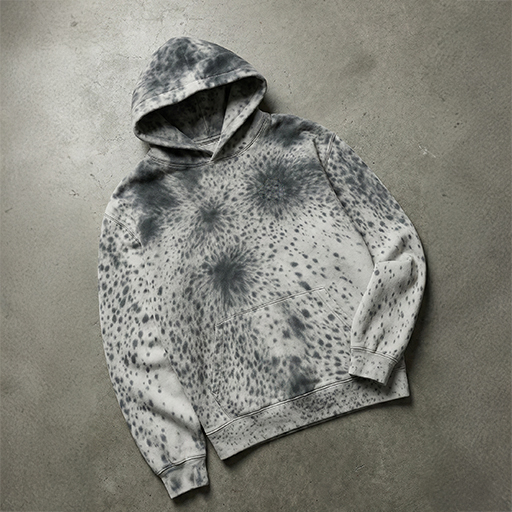
Quick Answer: What Are the Best Fabrics for Streetwear Hoodies?
The Three Main Hoodie Fabrics Explained
1. Brushed fleece
Fleece is a knitted fabric with a smooth face and a back that has been brushed (napped) to raise the fibres into a soft, warm pile. It is the classic hoodie fabric: cosy, insulating and familiar to customers. Heavy 3-thread fleece gives a full, structured garment, while lighter 2-thread fleece is softer and cheaper but has less body.
Best for: winter drops, oversized hoodies, comfort-focused products. Watch out for: pilling on the inside if the yarn or polyester content is low quality, and lint shedding in the first washes.
2. French terry
French terry has a smooth face and small, unbrushed loops on the back. Without brushing, the fabric is cooler, drier to the touch and more breathable than fleece. It also tends to pill less on the inside because the fibres are not raised.
Best for: transitional seasons, layering, active and dance-inspired streetwear. Watch out for: lightweight French terry (below around 300 GSM) can feel thin and lose shape in an oversized fit.
3. Loopback (heavyweight French terry)
In streetwear, “loopback” usually refers to heavyweight French terry, often 400 GSM and above, knitted with a thick looped back. It combines the structure of heavy fleece with the breathability of terry. Loopback is the fabric behind many premium and Japanese-inspired streetwear hoodies, and it works especially well with garment dye.
Best for: hero hoodies, premium positioning, garment-dyed and vintage-look products, items that are washed often. Watch out for: higher fabric cost and longer knitting lead times for special colours or weights.
Which GSM Is Best for a Streetwear Hoodie?
GSM (grams per square metre) describes fabric weight. It strongly influences how a hoodie drapes, how warm it is and how premium it feels. As a planning guide:
Heavier is not automatically better. A 500 GSM hoodie can feel stiff for active use, while a 400 GSM loopback can feel just as premium and move better. For a deeper look at fabric weights, read our guide to heavyweight streetwear production.
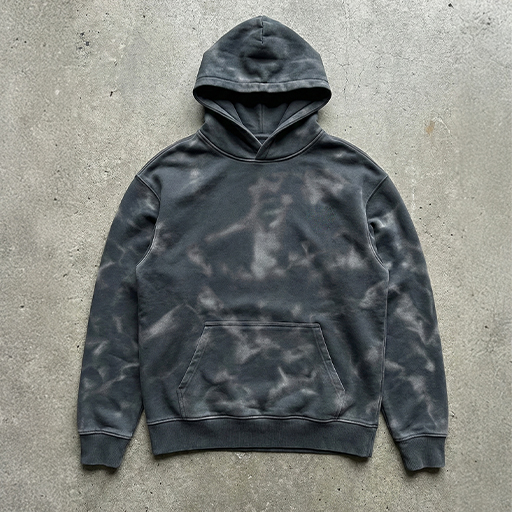
Cotton, Polyester or Blend? Choosing the Composition
- 100% cotton: natural, breathable, premium hand feel and the best base for garment dye. Requires careful shrinkage control.
- Cotton-rich blends (for example 80/20 cotton/polyester): more dimensional stability, lower shrinkage and lower cost. Polyester does not take reactive or garment dye, so dyed results look more heathered.
- Organic cotton: the same performance as conventional cotton with a sustainability story. Ask for GOTS or OCS documentation if you want to communicate it.
- Recycled polyester blends: reduce virgin fibre use. Ask for GRS documentation if you market the recycled content.
Ask about the yarn, not only the fibre
Two “100% cotton” fabrics can perform very differently. Combed ring-spun yarn produces a smoother face, cleaner screen prints and less pilling. Open-end yarn is cheaper but feels rougher and wears faster. For premium streetwear hoodies, combed or compact cotton yarn is worth the extra cost.
Finishing: Where Good Fabric Becomes a Good Hoodie
Finishing steps after knitting and dyeing decide how the fabric behaves in daily use. The most important for streetwear hoodies are:
- Compacting and pre-shrinking: stabilises the fabric so the garment keeps its measurements after washing.
- Enzyme or silicone softening: improves hand feel, especially on heavy cotton.
- Brushing: creates the soft inside of fleece; the intensity affects warmth and pilling.
- Garment dye: dyeing the finished garment for a lived-in, vintage look. The pattern must allow for extra shrinkage during dyeing.
- Matching rib: cuffs and hem in a heavy rib, usually with a small percentage of elastane for recovery, so they don’t stretch out over time.
Matching the Fabric to Your Hoodie Type
Warm oversized hoodie
3-thread brushed fleece, 420–480 GSM, cotton-rich, heavy rib. Maximum comfort and warmth for the cold season.
Premium streetwear hoodie
100% combed cotton loopback, 400–500 GSM, pre-shrunk, optionally garment-dyed. Structure, breathability and a premium hand feel.
Hoodie for movement and frequent washing
Loopback or French terry, around 350–420 GSM, compacted and wash-tested. Breathes better than fleece and keeps its shape through repeated washing.
Cost-efficient core hoodie
Cotton/polyester fleece, 300–350 GSM. Stable, affordable and suitable for printing in larger runs. See our Essential & Core Apparel programme.
How to Test Hoodie Fabric Before Bulk Production
A fabric that looks right on a swatch can still fail in a customer’s washing machine. Before approving bulk production, test the sample, not only the fabric:
Fabric and measurement details belong in your tech pack. Our tech pack resources explain what a factory needs before sampling.
Common Hoodie Fabric Mistakes
- Choosing by GSM only: a heavy fabric with poor yarn quality still pills and loses shape.
- Approving a sample on substitute fabric: weight, shrinkage and print behaviour can change in bulk.
- Ignoring the rib: a thin rib on a heavy body looks cheap and stretches out quickly.
- Garment dyeing a polyester blend: the polyester part will not take the dye evenly.
- Skipping the wash test: oversized fits that shrink after the first wash lead to returns and bad reviews.
- No documented fabric spec: without recorded composition, GSM and finishing, a sold-out hoodie cannot be reordered consistently.
Why Brands Source Hoodie Fabric in Turkey
Turkey has one of Europe’s deepest supply bases for knitted fabrics, with experienced knitting, dyeing and finishing mills for fleece, French terry and loopback. Because fabric, cutting, sewing, printing and embroidery are close together, brands can develop hoodies on the actual production fabric and adjust weight, colour or finishing quickly.
For European brands, road freight from Istanbul makes small, frequent restocks realistic. For a broader overview of production in Turkey, read our Streetwear Production Company Guide.
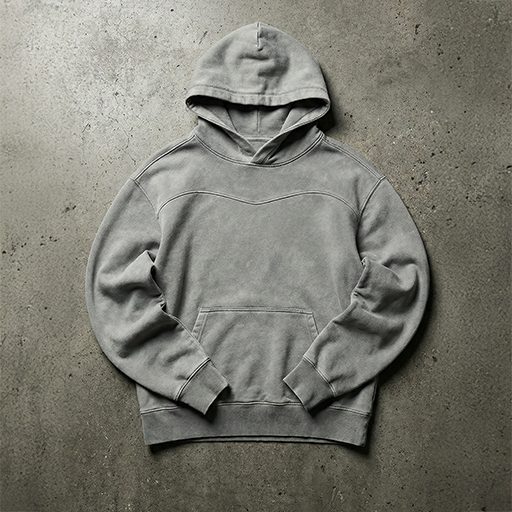
How FK Textile Develops Hoodie Fabrics With Brands
We help brands choose hoodie fabrics that fit their product, price point and audience. You can send us a reference hoodie, a fabric you like or simply a description of the feel you want. We suggest suitable fabrics, weights and finishes, produce samples on the intended production fabric and support you with wash and fit testing before bulk. Startup programmes typically begin at around 50–100 pieces per style and colour, depending on fabric and specification.
Frequently Asked Questions
What is the best fabric for a streetwear hoodie?
For most premium streetwear hoodies, the best fabric is a cotton-rich 3-thread fleece or loopback French terry between 380 and 500 GSM, made from combed cotton yarn and pre-shrunk before cutting.
What is the difference between fleece and French terry?
Both have a smooth outer face. Fleece has a brushed, fluffy inside that is warmer and softer. French terry keeps small, unbrushed loops on the inside, making it more breathable and less prone to inner pilling.
Is loopback the same as French terry?
In streetwear, loopback usually means heavyweight French terry with a pronounced looped back, often 400 GSM and above. It is used for structured, premium hoodies.
What GSM should a heavyweight hoodie have?
Heavyweight streetwear hoodies are typically 380–450 GSM. Ultra heavyweight hoodies start at around 450 GSM and can go above 500 GSM.
Is 100% cotton or a cotton/polyester blend better for hoodies?
100% cotton feels more premium, breathes better and suits garment dye. Cotton/polyester blends are more stable, shrink less and cost less. The right choice depends on your price point and look.
How do I prevent hoodies from shrinking?
Use compacted, pre-shrunk fabric, wash-test samples before bulk, adjust patterns for expected shrinkage and agree on measurement tolerances with your manufacturer.
Which hoodie fabric pills the least?
Unbrushed French terry or loopback made from combed or compact cotton yarn usually pills less than brushed fleece with low-quality yarn or high polyester content.
Find the Right Fabric for Your Hoodie
Send us a reference hoodie, a fabric you like or your tech pack. We’ll suggest fabrics, weights and finishes and prepare a sampling plan for your next drop.
Request a Sample & Quote